Rusted Flow Leaves Vol. 8: A Designer's Textured Collection
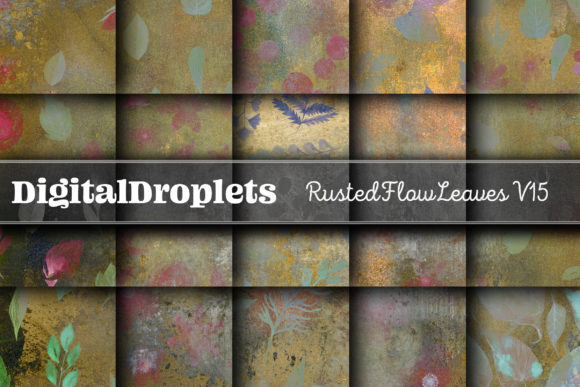
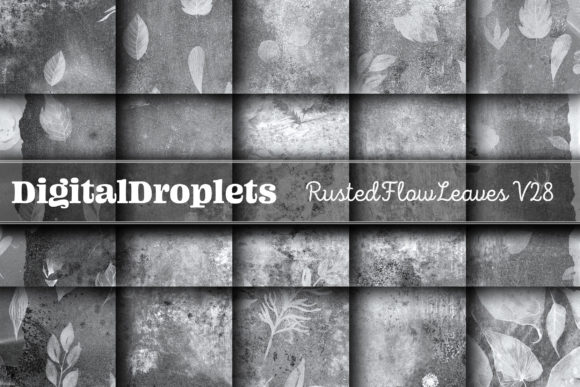
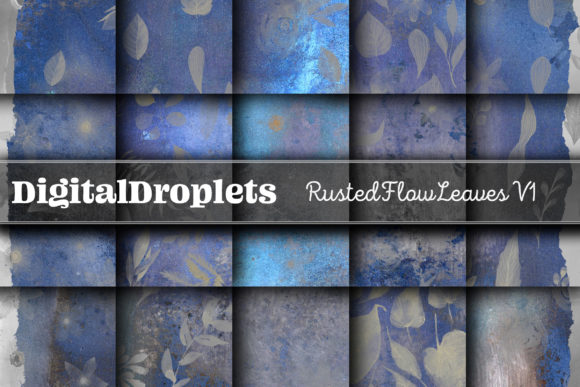
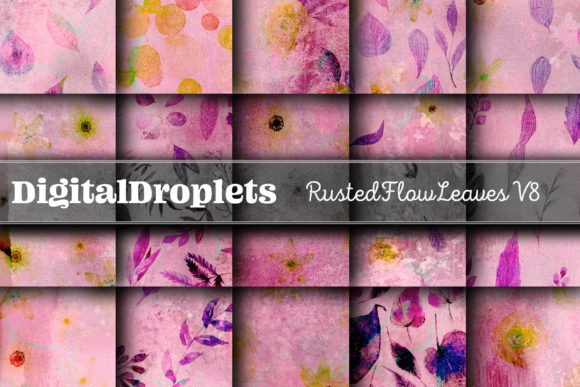
In the realm of visual design, texture is a powerful tool for adding depth, emotion, and narrative to a project. The Rusted Flow Leaves Vol. 8 | Collection offers a sophisticated solution for creators seeking to infuse their work with an organic, tactile quality. This curated set of 20 high-resolution, 12x12 digital papers blends delicate botanical motifs—blossoms and leaves—with gritty, rust-inspired backgrounds and scratchy overlays. Each paper features a unique border, providing instant visual interest and a ready-made frame for content.
What makes this particular collection stand out in a crowded market of design assets is its dual nature. It masterfully combines natural elegance with industrial decay, a contrast that resonates strongly with contemporary design trends favoring authenticity and imperfect beauty. For graphic designers, marketers, and creative entrepreneurs, this set is not merely a pack of backgrounds; it's a versatile toolkit for building compelling visual stories.
Practical Applications Across Creative Projects
The true value of a resource like the Rusted Flow Leaves Vol. 8 | Collection lies in its adaptability. Its grungy, textured aesthetic can elevate a wide array of creative projects, helping to establish a distinct mood and visual hierarchy. Consider these practical applications:
- Branding & Identity: Use the papers as textured backdrops for logo presentations, business cards, or letterheads. The rustic feel can help brands in artisanal, handmade, or outdoor niches communicate authenticity and craftsmanship.
- Marketing & Social Media: Create scroll-stopping social media graphics, Instagram story backgrounds, or promotional flyers. The unique textures add visual weight and interest, helping content stand out in a fast-moving digital feed.
- Editorial & Web Design: Integrate the papers as section backgrounds on websites, in blog post headers, or within digital magazines. They add warmth and character to layouts, improving user engagement through visual richness.
- Print & Packaging: Design standout packaging for products like candles, soaps, or gourmet goods. The papers can also be used for gift wrap, tags, envelopes, and washi tape, creating a cohesive and premium unboxing experience.
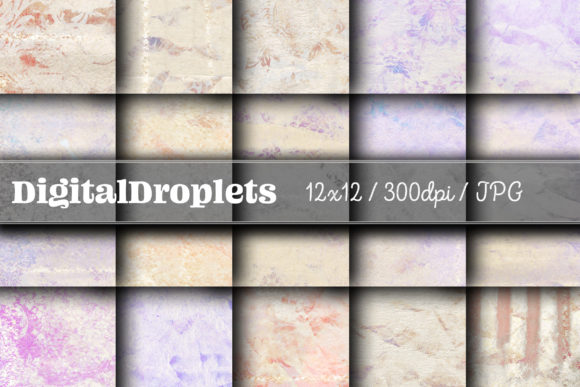
- Digital Products & Merchandise: Utilize them for planner stickers, printable art, journal covers, or presentation backgrounds. The high-resolution (300dpi) JPEGs ensure quality prints for both commercial and personal use.
Integrating Texture into Your Design Workflow
Effectively incorporating textured assets requires thoughtful consideration of your overall design goals. Here are key factors to evaluate when using resources like the Rusted Flow Leaves Vol. 8 | Collection:
Maintaining Visual Hierarchy and Readability
Texture should enhance, not overwhelm. Use these papers as a background layer and ensure your foreground elements—typography, logos, and key imagery—have sufficient contrast. Pairing the detailed textures with clean, modern sans-serif fonts often creates a striking and legible balance.
Ensuring Brand Consistency
When building a brand identity, select specific papers from the collection and use them consistently across all touchpoints. This repetition of texture helps build recognition and a cohesive aesthetic, whether applied to a website, social media templates, or print collateral.
Leveraging Color and Composition
The rust and botanical color palette within the collection is inherently harmonious. Use this as a foundation for your broader color scheme, drawing accent colors from the papers to create a unified look. The built-in borders offer a natural compositional frame, guiding the viewer's eye to your central content.
Choosing quality creative assets is an investment in the clarity and impact of your visual communication. Collections like Rusted Flow Leaves Vol. 8 provide designers with a nuanced palette of textures that can transform standard layouts into evocative, professional presentations. By thoughtfully selecting and applying such elements, you ensure that every design choice—from the background to the typography—works in concert to tell a more compelling and cohesive story.