Vintage Woods Vol. 22: Elevate Your Design with Timeless Textures
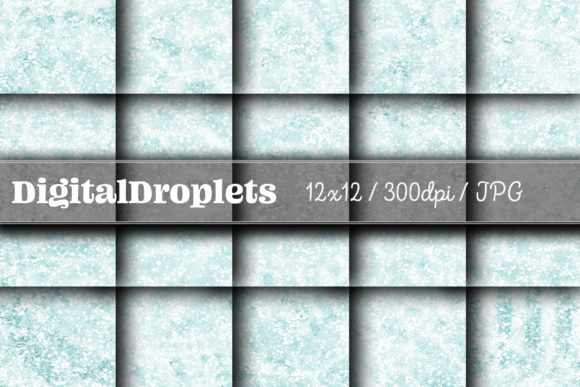
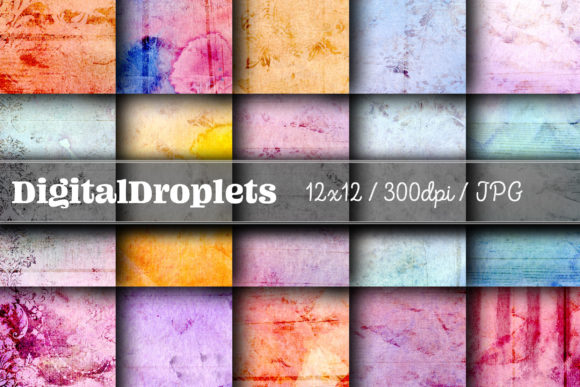
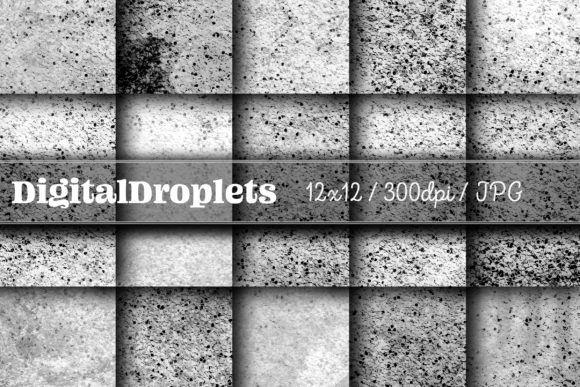
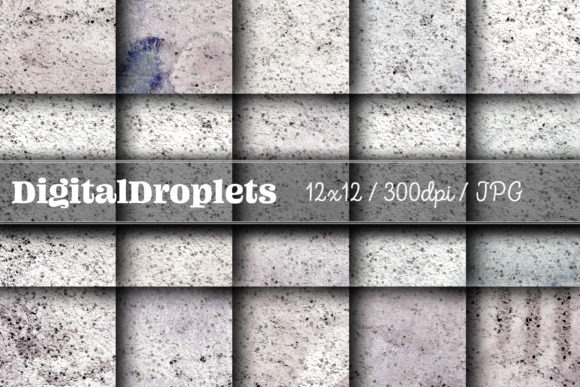
For graphic designers and creative professionals seeking to infuse projects with authentic, nostalgic character, the Vintage Woods Vol. 22 | Collection offers a versatile toolkit of layered textures and aged patinas. This set of 10 high-resolution 12×12 papers blends the raw appeal of wooden textures with the delicate complexity of vintage paper backgrounds, creating a foundation that adds immediate depth and storytelling potential to any visual composition.
A Foundation for Authentic Visual Design
At its core, this collection is about more than just a background. It's a curated visual language. Each paper in the Vintage Woods Vol. 22 | Collection merges several design elements: the structural grain of wood, the soft wear of aged paper, and the artistic bleed of alcohol ink or watercolor washes over subtle damask and lace patterns. This layering technique creates a rich, tactile quality that digital designs often lack, making it a powerful asset for projects that require a sense of history, craftsmanship, or organic warmth.
Practical Applications Across Creative Disciplines
The true value of a well-crafted asset set lies in its adaptability. These vintage textures seamlessly integrate into a wide array of professional workflows, enhancing both digital and print outputs.
- Brand Identity & Logo Design: Use these textures as background elements for brand presentations, mood boards, or even within logo designs themselves (when scaled appropriately) to convey a heritage, artisanal, or rustic brand personality.
- Marketing & Social Media Graphics: Create scroll-stopping social media posts, story backgrounds, or email newsletter headers that stand out with a textured, handcrafted feel, improving user engagement and visual recall.
- Editorial & Web Design: In UI design, use them sparingly as accents for hero sections, card backgrounds, or footer elements to add visual interest without compromising readability. For print, they make exceptional backgrounds for magazine features, book covers, and album layouts.
- Packaging & Merchandise: Apply these textures to product packaging, hang tags, or merchandise mockups to instantly communicate a premium, vintage, or eco-friendly aesthetic, strengthening shelf appeal and brand storytelling.
Integrating Textures into a Professional Design Workflow
Selecting the right texture is just the first step. Effective integration requires a thoughtful approach to visual hierarchy and compatibility. Always consider the color palette of your existing brand system. The muted, earthy tones of this collection pair beautifully with warm neutrals, rich jewel tones, or faded pastels. Use them as a grounding element, ensuring your primary typography and key graphics remain the focal point with sufficient contrast and clarity.
For scalability, the high-resolution 300dpi files ensure these assets perform reliably across print and digital formats. When using them in web design or UI design, optimize file sizes to maintain page load speed, perhaps using them as static sections rather than full-page backgrounds. In packaging design or print design, they provide a fantastic base for die-cut shapes, washi tape strips, and custom tags, adding a cohesive, bespoke touch to physical products.
Achieving a Polished, Professional Result
The composition of the Vintage Woods Vol. 22 papers—blending hard and soft textures—naturally guides the viewer's eye. This can be leveraged to create effective visual hierarchy. Place bold, sans-serif typography over a busier, more intricate section of the texture for maximum impact, or use a cleaner, more uniform area for body text to ensure readability. The key is to use these textures as a creative catalyst, not a distraction. They should enhance your core message, not overshadow it.
Ultimately, thoughtful design is about choosing elements that serve a purpose. High-quality creative assets like the Vintage Woods collection save valuable time in the design process while providing a consistent, professional foundation. By strategically incorporating such textured elements, designers can bridge the gap between digital precision and organic artistry, resulting in work that feels both intentional and deeply resonant. The right texture doesn't just fill space; it tells a story, builds a mood, and elevates the entire visual experience.