Golden Vintage Woods Vol. 18: Textured Design Assets
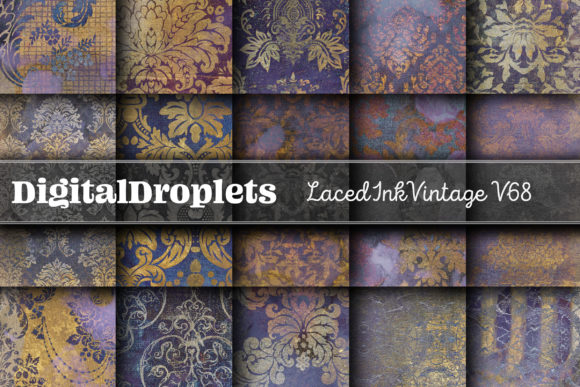
In the world of graphic design, where digital perfection often dominates, the allure of tangible, aged materials provides a powerful visual anchor. The GoldenVintageWoods Vol. 18 | Collection answers this call by offering a sophisticated set of 10 vintage-style backgrounds. This 12×12 paper set masterfully blends the rustic character of subtle wooden textures with the elegance of vintage paper, creating a foundation that immediately conveys depth and narrative.
The Anatomy of a Versatile Texture
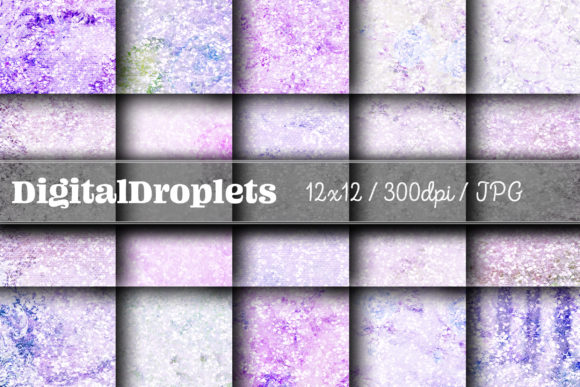
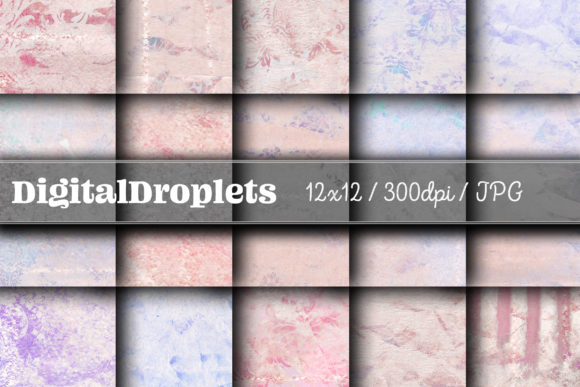
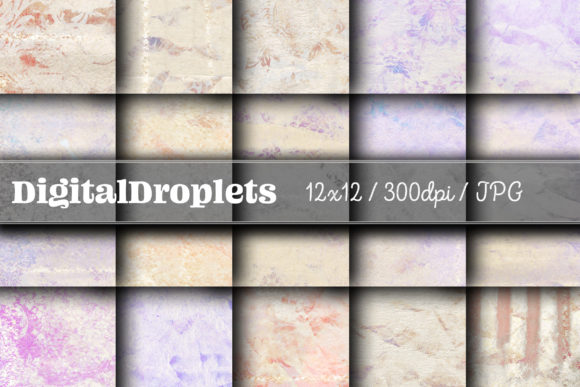
What makes this collection stand out is its nuanced layering. Unlike simple flat textures, these papers feature alcohol ink or watercolor effects blended over intricate damask and lace patterns. This is further grounded by a subtle cardboard texture, resulting in a rich, multi-dimensional surface. The palette, dominated by warm golds, ensures a cohesive and premium feel, making it an invaluable asset for any designer’s toolkit.
For professionals, this translates to immediate utility. The textures are not just decorative; they are functional tools for establishing visual hierarchy and emotional tone. A single paper from this set can serve as a compelling background that supports, rather than competes with, foreground elements like typography and imagery.
Practical Applications Across Design Disciplines
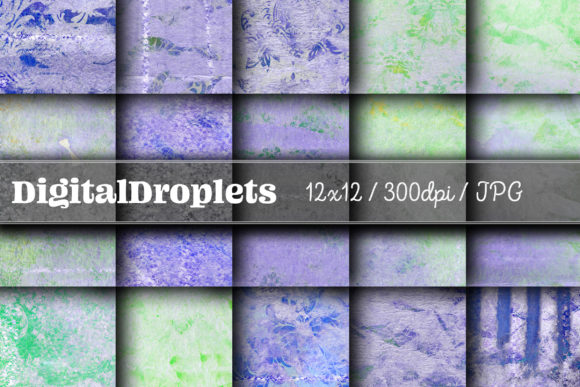
The true value of a resource like the Golden Vintage Woods Vol. 18 | Collection lies in its adaptability. These 10 high-resolution JPEG files (300dpi) are engineered for a wide spectrum of creative projects, ensuring your designs maintain a professional and cohesive aesthetic.
For Brand Identity and Marketing
When developing a brand with a heritage, artisanal, or organic ethos, these textures are perfect. They can be used to create unique logo backgrounds, business card substrates, or letterhead that feels substantial and handcrafted. In digital marketing, they provide a stunning backdrop for social media graphics, ensuring posts stand out in a crowded feed with a consistent, high-quality texture.
In Editorial and Digital Design
For web designers and UI specialists, incorporating such textures requires a strategic approach. A subtle application can enhance a hero section or a sidebar, adding tactile interest without compromising readability. In editorial layouts, these papers are ideal for magazine covers, chapter title pages, or as a base for quote graphics, where they add a layer of sophistication and warmth.
Physical and Digital Product Creation
The applications extend seamlessly into physical products and digital assets. Consider using them for:
- Packaging Design: Creating labels or wrap for artisanal goods.
- Print Design: Designing invitations, greeting cards, or scrapbook pages.
- Digital Products: Forming the base for printable wall art, planner stickers, or junk journal elements.
Integrating Textures into Your Design Workflow
Selecting and using textures effectively is a skill. To maximize the impact of assets like the Golden Vintage Woods set, consider these principles:
Consistency is Key: Use textures from the same collection or with a similar color palette and grain across a project to maintain a unified brand identity. This set’s cohesive gold vintage theme makes it particularly easy to work with.
Prioritize Readability: Always test text legibility over any textured background. Adjust text color, add a slight drop shadow, or place text within a semi-transparent shape to ensure your message remains clear. The subtle nature of these wooden overlays generally offers good compatibility with typography.
Think About Scalability: High-resolution files (300dpi) are crucial for print work. Ensure your creative assets are scalable and that the texture remains crisp when applied to large formats like posters or banners.
Ultimately, thoughtful design is about making deliberate choices that enhance communication. The Golden Vintage Woods Vol. 18 | Collection is more than just a set of papers; it is a curated resource that empowers creators to inject narrative, texture, and a sense of timeless quality into their work, bridging the gap between digital precision and the cherished imperfections of analog materials.