Laced Ink Vintage Vol. 68 | Collection: Textured Design Assets
For designers seeking to infuse projects with authentic, tactile depth, the Laced Ink Vintage Vol. 68 | Collection offers a sophisticated toolkit of layered backgrounds. This curated set moves beyond flat digital aesthetics, providing assets that mimic the rich complexity of mixed-media art, a trend increasingly valued in branding and visual storytelling.
Understanding the Asset: Beyond a Simple Paper Texture
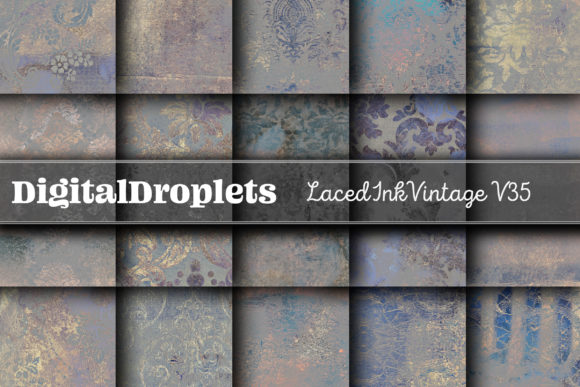
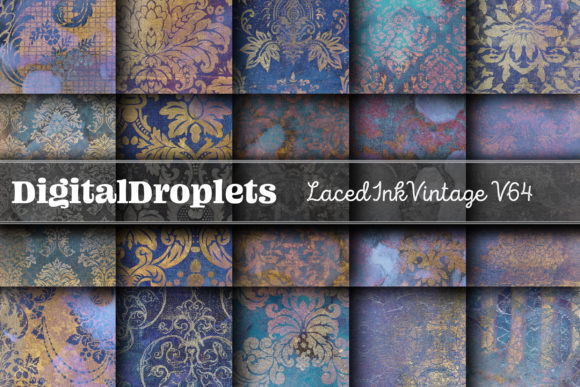
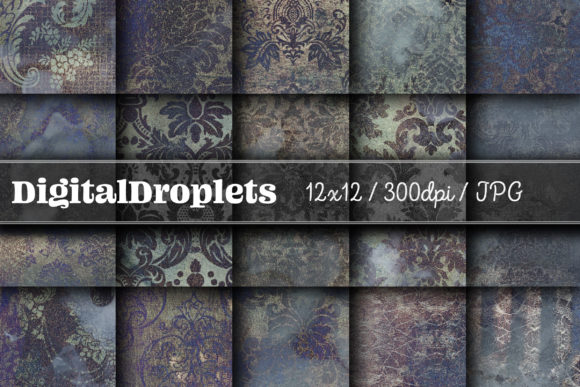
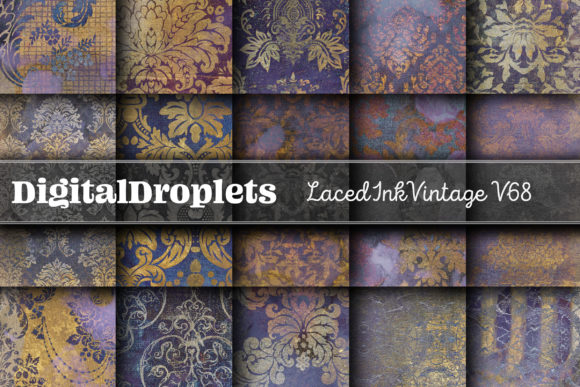
The Laced Ink Vintage Vol. 68 | Collection 12×12 Paper Set is a premium resource of 10 high-resolution JPEG files. Each 12x12 inch, 300dpi paper features a unique blend of vintage cardboard textures, delicate damask or lace overlays, and subtle alcohol ink or watercolor washes. The inclusion of a distinct, subtle border on each paper adds a finished, intentional quality, making these assets immediately usable for a variety of design applications.
Core Components of the Design
- Layered Texture: The combination of cardboard, lace patterns, and ink stains creates a multi-dimensional effect, adding visual interest and a handmade feel to digital work.
- Organic Color Blending: Alcohol ink and watercolor effects provide soft, unpredictable color transitions that evoke warmth and nostalgia, enhancing emotional resonance in designs.
- Versatile Format: High-resolution JPEGs ensure scalability for both print and digital media, from small planner stickers to large wall art and photography backdrops.
Strategic Applications in Modern Design Work
Integrating assets like the Laced Ink Vintage Vol. 68 | Collection can solve specific design challenges and elevate a project's professional presentation. Their value lies in their ability to communicate mood, texture, and authenticity efficiently.
Enhancing Brand Identity & Marketing
For brands targeting audiences that appreciate craftsmanship, heritage, or a bespoke quality, these vintage papers can become a cornerstone of the visual identity. Use them as backgrounds for logo presentations to add context, or as textures in social media graphics to create a cohesive, recognizable feed. They are particularly effective for boutique businesses, artisan products, wedding stationery, and editorial design where a tactile, story-rich aesthetic is desired.
Improving User Experience in Digital & Print
In UI design, a carefully chosen texture can guide the eye and add warmth without compromising readability. Consider using these papers as subtle backgrounds for content cards, call-to-action buttons, or section dividers on a website. In print design, they serve as excellent foundations for junk journal pages, collage elements, custom washi tape, and unique greeting cards, directly enhancing the user's physical interaction with the material.
Practical Tips for Effective Implementation
When incorporating textured backgrounds, mindful application is key to maintaining design integrity and achieving a polished result.
- Prioritize Hierarchy and Readability: Use these textured backgrounds in areas where text contrast is not critical, or pair them with solid-colored text boxes or overlays to ensure legibility. The texture should support, not overwhelm, the core message.
- Ensure Brand Consistency: Select papers from the collection whose color palette aligns with your existing brand system. The organic hues can be used to inform or complement your color strategy, creating a harmonious visual language.
- Test Across Contexts: Always evaluate how the asset performs at different sizes and in various applications—on a mobile screen, a printed brochure, or as part of a larger collage. Its scalability at 300dpi is a significant advantage for multi-platform projects.
Ultimately, the most effective creative assets are those that solve problems and unlock new possibilities. The Laced Ink Vintage Vol. 68 | Collection provides a foundation for designs that feel both intentional and richly detailed, demonstrating how thoughtful selection of quality elements can transform a project from simple communication into a memorable visual experience. By leveraging such assets, designers can efficiently produce work that resonates deeply with its audience, balancing aesthetic appeal with functional purpose.